
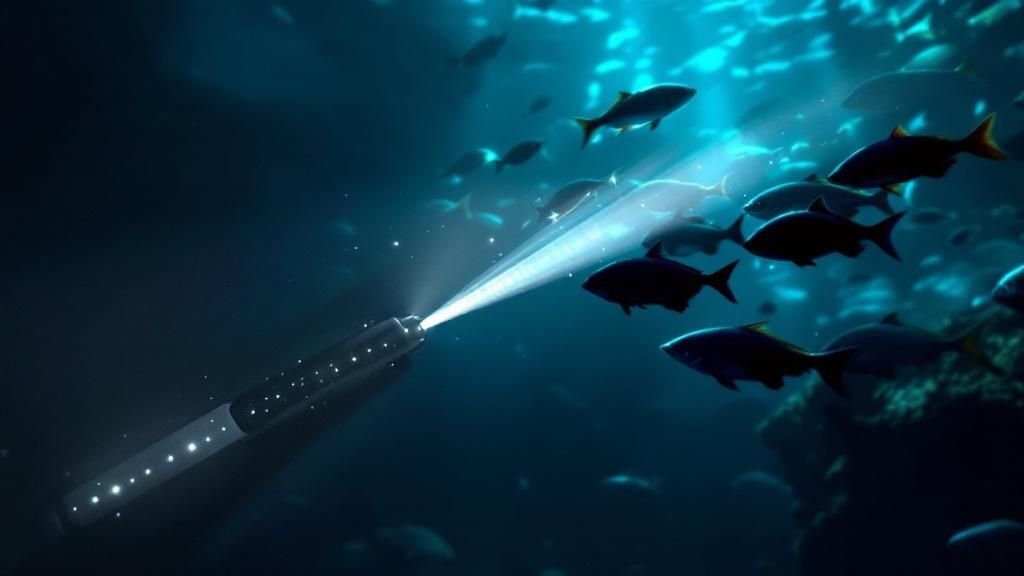
 Underwater settings do more than establish atmosphere in shooting formats. Every rendered layer beneath the surface contributes something functional to how play actually unfolds, from how clearly creatures get distinguished at speed through to how confidently shots get directed across a crowded display. A well-constructed game bắn cá online miễn phí treats its graphic environment as an active participation tool rather than decorative scenery. That distinction between environments built for aesthetics and those built for clarity is exactly what separates genuinely engaging shooting formats from visually impressive ones that never quite feel right during active play.
Environment immersion value
Depth layering creates spatial clarity – Underwater environments use foreground, midground, and background layers to create genuine spatial depth that flat designs never produce. That layering gives players a clear sense of creature distance and movement trajectory before any shot gets placed, improving placement accuracy across extended play periods considerably more than single-layer backgrounds allow.
Light and shadow consistency – Consistent underwater lighting across the full play surface removes the on-screen confusion that inconsistent illumination introduces during fast-moving creature sequences. Particle effects, light ray animations, and shadow casting each contribute to an environment where creature edges remain clearly defined against the surrounding display field throughout every active moment.
Ambient movement reinforces immersion – Background elements, including coral, vegetation, and suspended particles, move continuously throughout active sessions. That ambient movement produces a genuinely dynamic environment rather than a static backdrop, keeping display engagement active during moments between high-density creature sequences without distracting from primary shooting activity.
Creature visual design
Species distinction through colour coding – Different species carry distinct colour profiles that players learn to associate with specific reward values across extended play periods. That coding system allows rapid creature assessment without requiring players to pause shooting sequences while identifying which species carries the highest current return value.
Movement animation quality – and creature animation quality directly affect how accurately players anticipate trajectory paths before placing shots. Smoothly animated movement produces predictable path curves that experienced players read ahead of current position, while low-quality animation introduces trajectory uncertainty that reduces placement accuracy regardless of player skill level.
Hit confirmation feedback – Clear on-screen feedback confirming successful hits allows players to assess shot effectiveness without interrupting shooting rhythm. Particle burst effects, creature reaction animations, and elimination sequences each communicate outcome information instantaneously, keeping participation flow continuous rather than creating assessment pauses between individual shots throughout extended sequences.
Interface display integration
Ammunition display clarity – Ammunition counters and weapon selection displays integrate within the rendered environment without obscuring active creature areas. Clean interface design keeps functional information accessible at the display periphery while maintaining full creature field visibility across the entire play surface simultaneously.
Reward notification placement – Return notifications appear within the display field without interrupting active shooting sequences. Positioned at consistent interface locations, these displays deliver outcome information that players absorb without redirecting attention away from active creature tracking throughout any continuous shooting period.
Boss encounter distinction – Oversized creature encounters carry distinct on-screen presentations that signal elevated challenge before engagement begins. Scale differences, unique animation sequences, and environmental lighting shifts each communicate boss stage arrival clearly, giving players immediate confirmation that resource and positioning adjustments are appropriate before the encounter fully develops.
Players who engage with well-constructed rendered environments consistently find creature identification, trajectory reading, and outcome assessment, each of which sits considerably more naturally than equivalent play within poorly rendered alternatives.